

Which Stan Should You Choose for Your First Trip to Central Asia?
Which Stan Should You Choose for Your First Trip to Central Asia?

People often ask me: which Stan should I choose for my first trip to Central Asia?
There is no single right answer. Central Asia is not one destination, and the five “Stans” are not interchangeable versions of the same place. Your choice depends on what you are looking for: Silk Road cities or wild mountains, desert road trips or comfortable city breaks, deep history or high-altitude adventure.
This guide is meant to help you choose with more confidence. Not the “best” country — that does not exist — but the one that best matches your travel spirit.
First: where exactly is Central Asia?

Central Asia sits at the heart of Eurasia, framed by the Caspian Sea to the southwest, Russia and Siberia to the north, China and Mongolia to the east, and Afghanistan and Iran to the south. Those neighbours matter. They have shaped the region’s languages, religions, economies, cuisines, architecture, and everyday social codes.
When people say “the Stans,” they usually mean Kazakhstan, Kyrgyzstan, Tajikistan, Turkmenistan, and Uzbekistan — a nickname built on the Persian suffix “-stan,” meaning “land.” Together, these five countries are home to roughly 76 million people, spread across an enormous space where geography sets the rhythm: vast distances, sharp altitude changes, and landscapes that can jump from desert to glacier in a few kilometres.
The region is divided between huge desert lowlands, such as the Karakum (“Black Sand”) and Kyzylkum (“Red Sand”) deserts of Turkmenistan and Uzbekistan, and mountain systems of intimidating scale, above all the Tian Shan and the Pamir Mountains. Some journeys here are big-horizon road trips across open land and deep depressions; others are slower, high-altitude passages through valleys and mountain passes. Your first Stan should match that rhythm.
Kazakhstan: for scale, variety, and big open freedom

Kazakhstan is Central Asia on a massive scale. It is the ninth-largest country in the world and the largest landlocked country on earth. Travelling through it can feel less like visiting one country and more like crossing an entire continent.
Its landscapes are almost absurdly varied: the Caspian coast and the alien rock formations of Mangystau in the west; endless steppe across the centre; the deserts and canyons of the south; the forested mountains and glaciers of the Tien Shan around Almaty; and the Altai in the east. Few countries in the region give you this much contrast in one itinerary.
Kazakhstan is also one of the easiest places to begin if you want a soft landing in Central Asia. Almaty, in particular, is a perfect entry point: leafy, walkable, creative, surrounded by mountains, and full of cafés, markets, Soviet modernist architecture, museums, restaurants, and everyday cosmopolitan urban life. One day you can be walking through the city, and the next you can be in alpine landscapes, canyons, lakes, or open steppe.
The country does require time. Distances are huge, and what looks close on a map may still mean a very long journey. Trains are reliable and affordable, but travel between major cities can easily take 12 to 17 hours. Domestic flights help, and in many natural areas a car — ideally a 4x4 — makes a big difference.
What makes Kazakhstan special is the feeling of space. It gives you modern cities like its capital Astana, wild landscapes, Soviet traces, mountain escapes, desert road trips, and a sense of freedom that is difficult to describe until you are there. Kazakhstan is also home to Central Asia’s largest Uyghur minority, especially in and around the Almaty region. This adds another rich layer to the country’s cultural mosaic — and, very importantly, to its food scene. If you travel to Almaty or nearby towns such as Zharkent, don’t miss Uyghur cuisine: laghman, samsa, manty, spicy salads, and long, generous meals that may easily become one of the highlights of your trip.
Choose Kazakhstan if you want:
Variety, road trips, mountains, deserts, modern cities, Soviet heritage, and the widest possible introduction to the region.
Think twice if:
you have very little time or dislike long distances. Kazakhstan rewards patience and planning.

Uzbekistan: for Silk Road atmosphere, architecture, and bazars
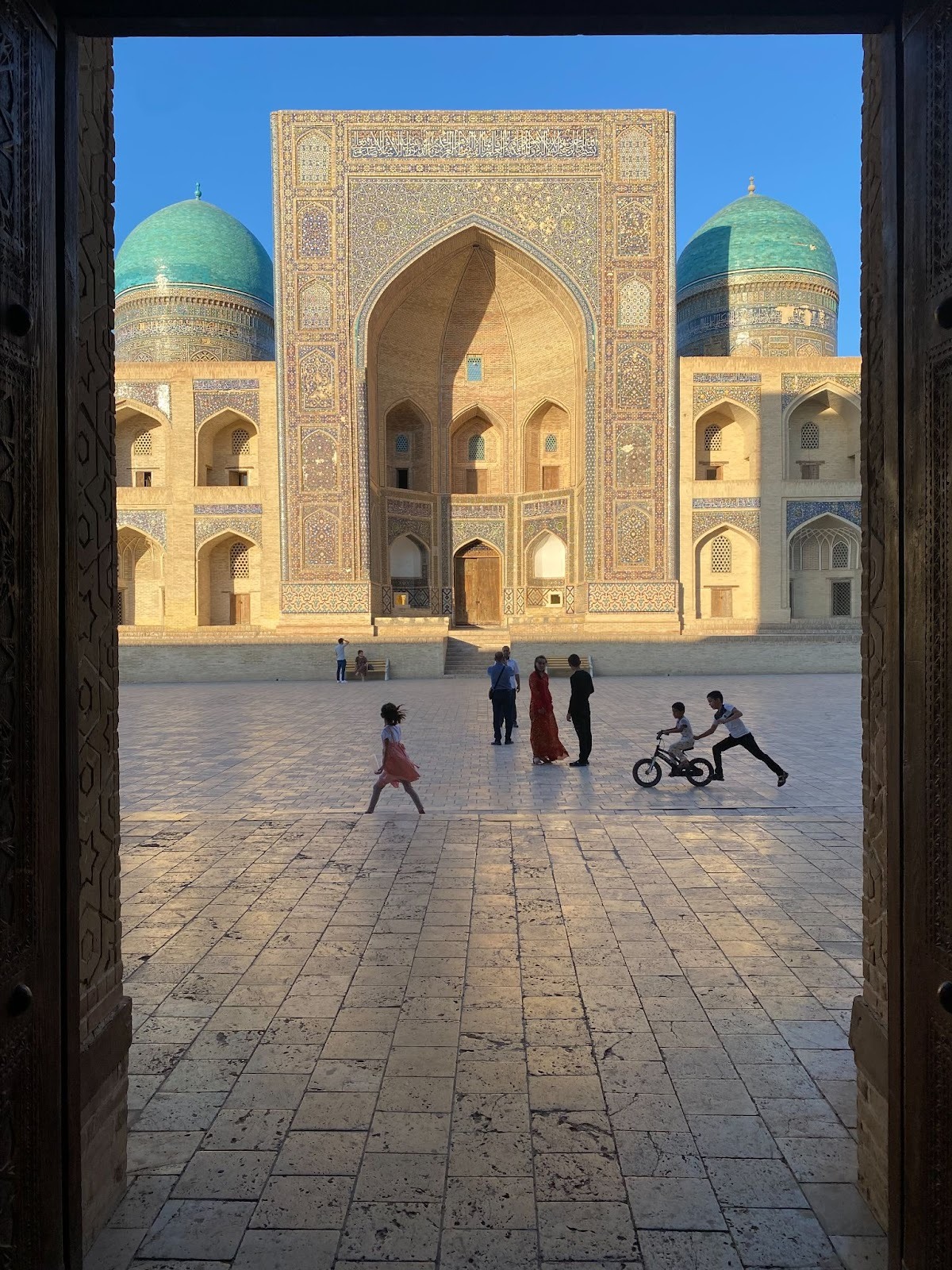
Uzbekistan is the country many travellers imagine first when they think of Central Asia: turquoise domes, blue tiles, caravanserais, madrasas, minarets, bazaars, and old cities glowing in the evening light.
It is also the most immediate and accessible choice if your dream trip is built around history, architecture, food, and atmosphere. Samarkand and Bukhara are the obvious stars, and yes, they are famous for a reason. Their monuments are spectacular. But the beauty of Uzbekistan is not only in the postcard images. It is in the courtyards, bread ovens, craft workshops, tea houses, family-run guesthouses, carved doors, ceramic studios, and market life that continues around the monuments.
Uzbekistan is a place for slow wandering. You do not need to rush from one sight to another. Often the best moments come from drifting through a bazaar, watching bread being pulled from a tandyr oven, stepping into an embroidery workshop, or sitting in the shade with tea while the city moves around you.
Tashkent adds a different layer. The capital is not just a transit point: it is a fascinating city of Soviet modernism, broad avenues, metro stations, mosaics, markets, and rapidly changing neighbourhoods. If you are interested in architecture beyond the Silk Road aesthetic, Tashkent deserves real time. Further west, in Karakalpakstan, the Savitsky Museum in Nukus offers one of the most remarkable art collections in the region, especially for anyone interested in Soviet-era and avant-garde art.
Uzbekistan is not the obvious choice if your main goal is wilderness trekking. There are mountain areas, especially around Chimgan and the Nuratau range, but the country’s real strength is urban texture, historical depth, and everyday life in places shaped by centuries of trade and exchange. Summer can also be very hot, so spring and autumn are usually the most comfortable seasons.
Choose Uzbekistan if you want:
Silk Road cities, architecture, bazaars, photography, food, crafts, walkable old towns, and a strong sense of historical atmosphere.
Think twice if:
your main priority is remote mountain trekking or wild nature.


Kyrgyzstan: for mountains, yurts, horses, and road-trip adventure

Kyrgyzstan is the Stan for travellers who want to spend as much time outdoors as possible. If Uzbekistan’s monuments are built in brick and tile, Kyrgyzstan’s monuments are valleys, ridgelines, lakes, glaciers, high pastures, and open skies.
This is a country of movement: driving or cycling through mountain passes, sleeping in yurts, hiking to alpine lakes, riding horses across jailoo pastures, and watching the weather change over the mountains. Places like Song-Kul, Kel-Suu, Issyk-Kul, Sary-Tash, Altyn Arashan, and the valleys around Bishkek and Osh show why Kyrgyzstan has become one of the most loved adventure destinations in the region.
Kyrgyzstan feels more intimate than Kazakhstan and less monumental than Uzbekistan. Outside Bishkek and Osh, life often moves through villages, guesthouses, yurt camps, family kitchens, animal markets, summer pastures, and mountain roads. Hospitality is direct and generous: tea, bread, jam, soup, kumys, and conversation are rarely far away.
It is also one of the easiest countries in the region for community-based tourism. Local guesthouses, trekking networks, yurt stays, horse guides, and family-run experiences are well established in many areas, especially during the warmer months. That does not mean everything is polished. Roads can be rough, services can be basic, and plans can change with weather, transport, or mountain conditions. But that is also part of the appeal.
Kyrgyzstan is best in summer and early autumn if you want access to high pastures and mountain lakes. Winter is beautiful too, especially for snow landscapes and skiing, but many remote routes become harder or impossible.
Choose Kyrgyzstan if you want:
Trekking, yurts, horses, lakes, mountains, road trips, local guesthouses, and a strong feeling of outdoor freedom.
Think twice if:
you need high comfort, polished logistics, or a rich big-city experience. Kyrgyzstan’s magic is mostly outside.

Tajikistan: for raw mountain beauty and a deeper sense of remoteness
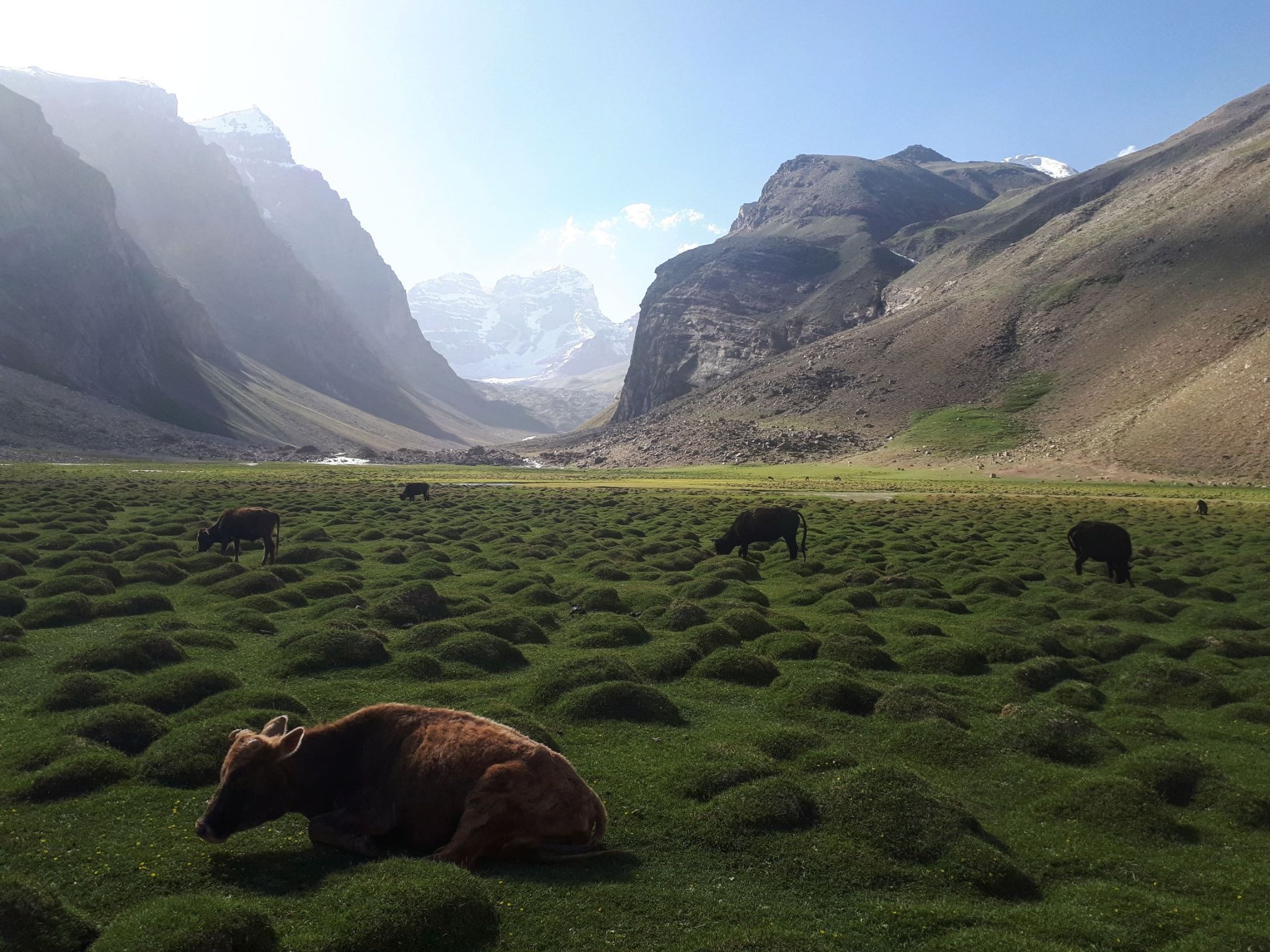
Tajikistan is the most vertical of the Stans. Much of the country is mountainous, and travel often follows rivers, valleys, high passes, and roads that seem to cling to the edge of the landscape. It is not always easy, but it can be unforgettable.
Culturally, Tajikistan also feels distinct because it is Persian-speaking. Tajik is closely related to Persian, and this gives the country a different atmosphere from its Turkic-speaking neighbours. You notice it in music, poetry, food, language, and cultural references. It is still Central Asia, but with another rhythm.
For travellers, the main reason to come is the mountains. The Pamirs are legendary among overland travellers, cyclists, motorcyclists, and anyone drawn to remote, high-altitude landscapes. The Fann Mountains, closer to Samarkand and Dushanbe, are more accessible and absolutely spectacular: turquoise lakes, glaciers, rocky valleys, village life, and multi-day trekking routes that feel wild without being impossible.
Tajikistan is not the easiest first trip if you want comfort and simple logistics. Roads can be slow, tourism infrastructure is more limited, and travel times are often long. But the reward is depth. Villages feel close to the landscape, hospitality is powerful, and the country still offers a sense of discovery that has become harder to find in more developed destinations.
It is a good choice for travellers who want something more rugged and less packaged. You do not come to Tajikistan for convenience. You come because you want mountains, silence, village encounters, and landscapes that feel larger than your plans.
Choose Tajikistan if you want:
Trekking, alpine lakes, the Pamir Highway, Persian cultural heritage, village life, and a stronger sense of remoteness.
Think twice if:
you want easy logistics, short travel times, or a first trip with minimal unpredictability.

Turkmenistan: for desert surrealism, ancient ruins, and the truly unusual
Turkmenistan is the outlier. It is the most difficult Stan to visit independently and usually requires more organised support, but that is part of what makes it so unusual.
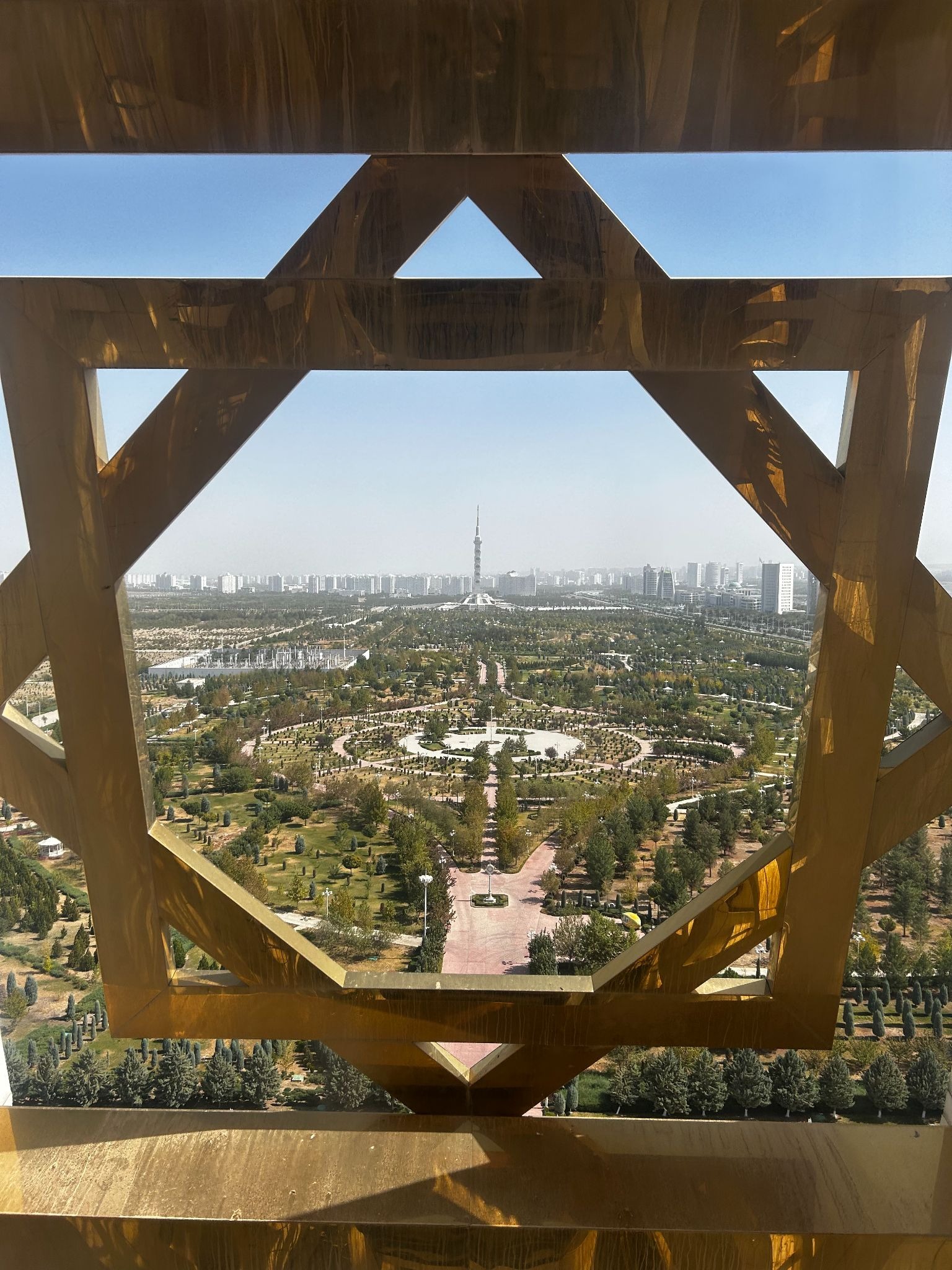
The country combines three very different worlds: the vast Karakum Desert, ancient Silk Road ruins, and the surreal monumentality of Ashgabat. The capital is unlike anywhere else in Central Asia: white marble buildings, enormous avenues, golden statues, monumental public spaces, and an atmosphere that can feel almost theatrical. It is strange, controlled, fascinating, and often hard to process in real time.
Beyond Ashgabat, Turkmenistan has extraordinary historical depth. Merv, once one of the great cities of the Islamic world and a major Silk Road centre, is one of the most important archaeological sites in Central Asia. Its ruins stretch across the desert and give a powerful sense of the empires, trade routes, and religions that once moved through this land.
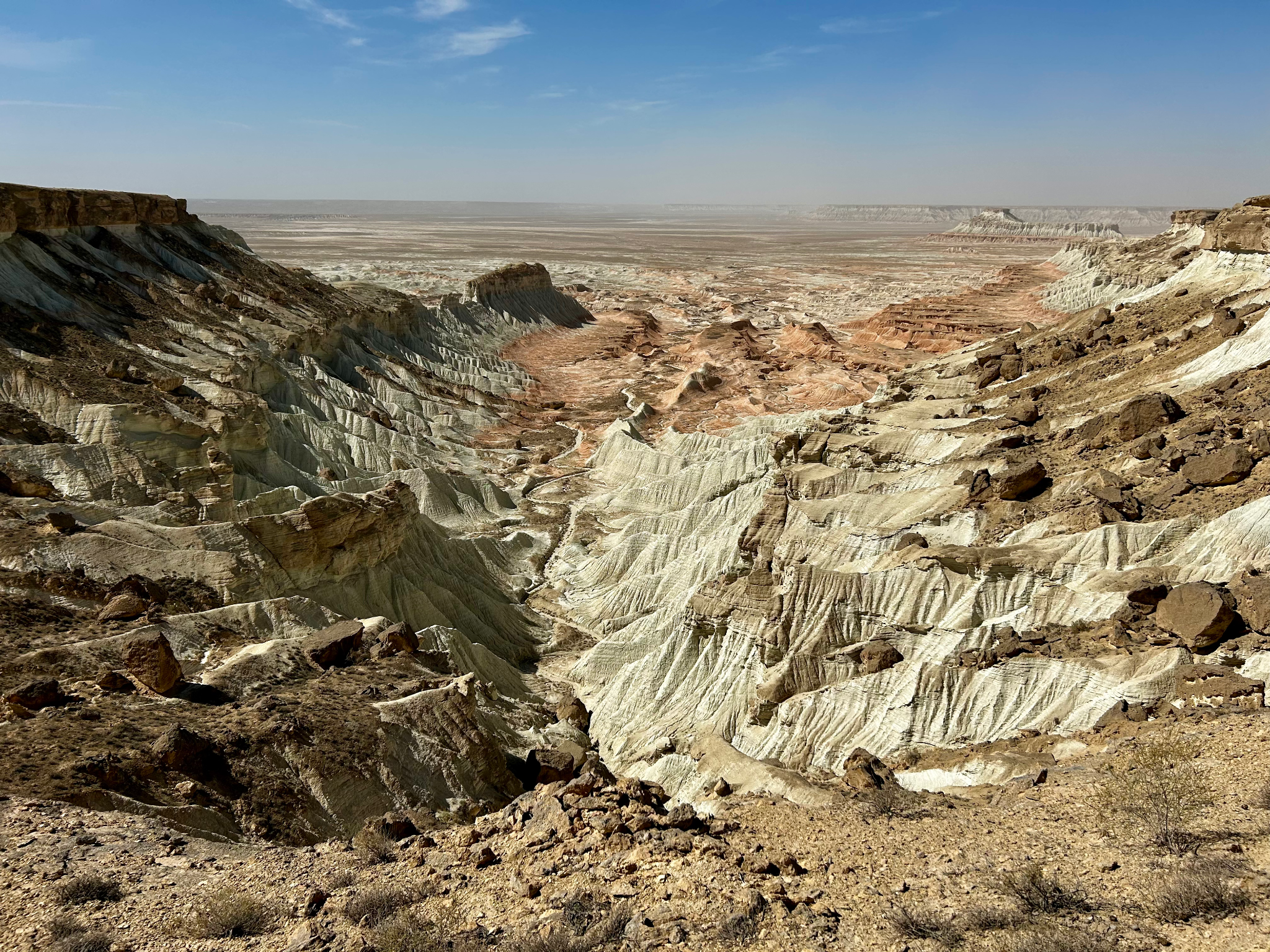
Then there are the landscapes: the flaming, slowly fading Darvaza gas crater, the canyons of Yangykala, desert roads, the Caspian coast, remote settlements, and vast horizons that make the country feel both empty and unforgettable. Turkmenistan also preserves highly visible forms of cultural heritage, from carpets and traditional dress to music, dance, and the symbolic importance of the Akhal-Teke horse.
This is not the country to choose if you want flexible backpacking, spontaneous detours, or easy independent wandering. Travel here can feel more formal, routes are often more controlled, and communication is less straightforward than elsewhere in the region. But if you are drawn to desert landscapes, ancient ruins, unfamiliar cultural worlds, and places that feel genuinely unlike anywhere else, Turkmenistan will stay with you.
Choose Turkmenistan if you want:
Desert landscapes, ancient ruins, Ashgabat’s surreal architecture, unusual travel experiences, and a country unlike anywhere else in the region.
Think twice if:
you want total freedom, easy logistics, or a relaxed independent travel style.
So, which Stan should you choose first?

The easiest way to decide is not to ask which country is “best,” but which journey feels most like you.
- If you want the widest range of landscapes and experiences, start with Kazakhstan. It gives you modern cities, mountains, steppe, desert, lakes, Soviet heritage, and the feeling of entering a huge world that you will never fully finish exploring.
- If you want Silk Road beauty, architecture, food, and atmosphere, choose Uzbekistan. It is the most visually immediate, the most comfortable for a classic cultural journey, and probably the easiest country for a first-time visitor who wants history without too much logistical stress.
- If you want mountains, yurts, horses, and outdoor adventure, choose Kyrgyzstan. It is ideal for people who want to move, hike, drive, sleep close to nature, and trade a little comfort for freedom.
- If you want raw mountain landscapes and a deeper sense of remoteness, choose Tajikistan. It is less polished, but incredibly rewarding if you are prepared for longer journeys and more unpredictability.
- If you want something truly unusual, choose Turkmenistan. It is the most constrained and the least flexible, but also one of the most surreal and memorable travel experiences in the region.
For many first-time travellers, my personal recommendation is still Kazakhstan, especially if you begin in Almaty. It is familiar enough to land softly, but wild enough to open the whole region in your imagination. In one trip, you can experience a creative city, Soviet architecture, mountain landscapes, canyons, lakes, villages, deserts, and long roads that make you understand the scale of Central Asia.
But the honest answer is this:
your first Stan will probably not be your last. Central Asia has a way of doing that. You arrive with one country in mind, and you leave already planning the next one.
If you have questions or want help choosing the right trip, you can contact us. To follow our tours and travel stories, find us on Instagram and TikTok.
.png)
.png)